
After years of waiting, Air New Zealand’s historic DC-8 is finally coming home
After years of legal battles, negotiations and uncertainty, one of the most significant aircraft in New Zealand aviation history is finally on its way home.
The former Air New Zealand Douglas DC-8-52 ZK-NZC, which has spent almost two decades sitting abandoned in the Brazilian city of Manaus, has officially been secured by the team behind the Bring Our Birds Home campaign. And now, after years spent fighting to save the aircraft from an uncertain future, the project is about to enter its most dramatic phase yet. The DC-8 is set to be dismantled into major sections before being moved from its current location to a storage facility. From there, preparations will continue for the enormous task of transporting the historic aircraft back to New Zealand.
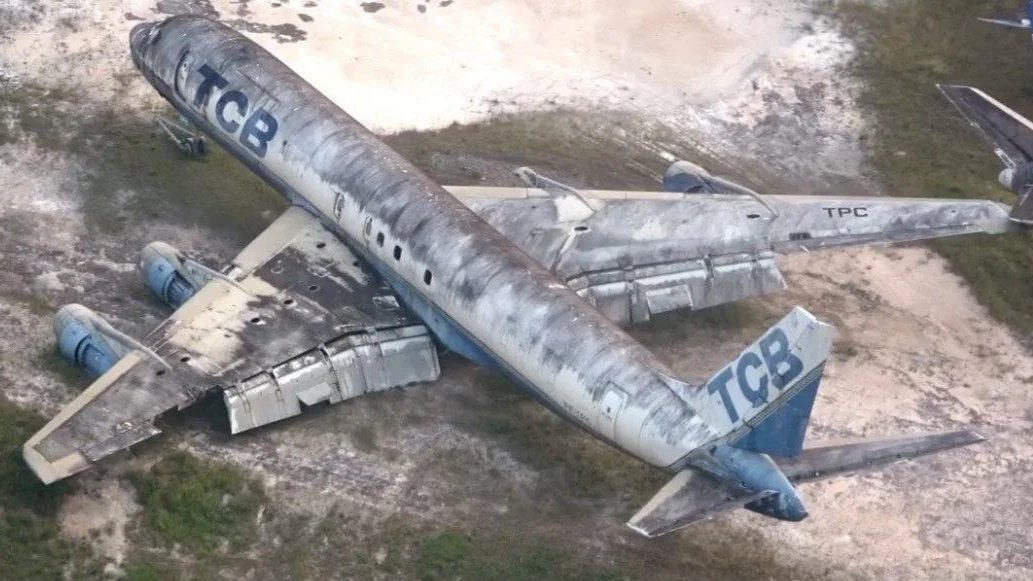
ZK-NZC resting in the Amazonian airport waiting to return home: Bring Our Birds Home | Photo: unknown
For a project that has spent nearly a decade overcoming ownership disputes, legal complications and logistical challenges, the news represents a major breakthrough.
When ZK-NZC first entered service in 1965, New Zealand aviation was entering a completely new era. The Douglas DC-8 represented the beginning of the jet age for the country's international airline operations. It flew for TEAL and later Air New Zealand, helping connect New Zealand with destinations across the Pacific during a period when international air travel was rapidly changing.
Over its career, the aircraft carried more than a million passengers and became part of one of the most important periods in Air New Zealand's history. It is now regarded as the last surviving example from the airline's original fleet of DC-8-52s. After leaving Air New Zealand, however, NZC's story took it around the world.
The aircraft passed through several operators and registrations before eventually becoming Brazilian freighter PP-TPC. It was eventually withdrawn from service and left at Manaus Airport, where it remained exposed to the harsh conditions of the Amazon for years. For much of that time, the aircraft's future was uncertain.
It could easily have been dismantled and scrapped, with one of the last surviving pieces of New Zealand's early jet-age history disappearing forever. Instead, a group of New Zealand aviation enthusiasts decided to try and bring it home.
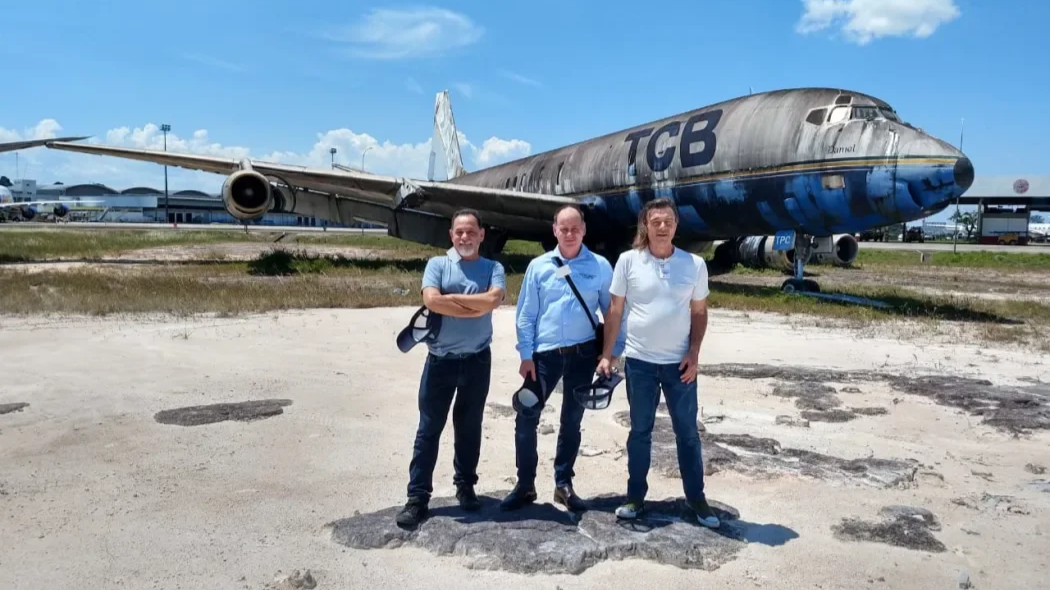
Aviation enthusiast working with Bring Our Birds Home, Paul Brennan (R) in Brazil | Photo: Marcio Souto
The Bring Our Birds Home campaign was established to locate, save and eventually repatriate historically significant aircraft connected with New Zealand's aviation history. ZK-NZC quickly became one of the project's most ambitious targets. But getting to this point was far from straightforward.
The team spent years dealing with ownership issues, legal complications and the complex process of securing the aircraft. Previous efforts to purchase and recover the DC-8 were delayed by legal proceedings, leaving the aircraft's future uncertain. Now, however, that long process has finally reached a major turning point.
Bring Our Birds Home has secured ownership of the aircraft.
That means the focus is no longer simply on saving ZK-NZC on paper. The project can now move forward with the physical recovery of the aircraft itself. The campaign's progress follows years of work by those involved in locating, negotiating for and ultimately securing the historic airliner.
The next challenge will be unlike anything normally associated with aircraft preservation. ZK-NZC cannot simply be repaired, fuelled and flown back to New Zealand. After almost 20 years sitting in the Amazon, the aircraft will need to be carefully dismantled into major transportable sections. The fuselage is expected to be separated into large sections, while the wings and stabilisers will also be removed. The operation will allow the aircraft to be transported from Manaus rather than attempting to move the complete 46-metre-long airframe as a single piece.
Reports from Brazil indicate that dismantling is scheduled to begin in the coming weeks, with support from airport operator VINCI Airports. The recovered sections are then expected to be prepared for onward transport, with specialist logistics company Freightplus involved in the international shipping operation. It is a process that will effectively see ZK-NZC taken apart in Brazil before eventually being rebuilt and preserved thousands of kilometres away in New Zealand.
Before the aircraft begins its international journey, the dismantled sections will be moved into temporary storage. This stage is an important part of the operation. The sections will need to be secured and protected while arrangements are finalised for the massive international transport effort. Moving an aircraft of this size from the middle of the Amazon to New Zealand is no simple task.
