
Royal Australian Air Force announces changes to heritage fleet
Recently, the Royal Australian Air Force (RAAF) announced it will withdraw eight historic aircraft from its heritage flight following a review of technical and airworthiness factors. These factors ensure the safe, sustainable and meaningful historic connection to the air force for 100 Squadron heritage aircraft.
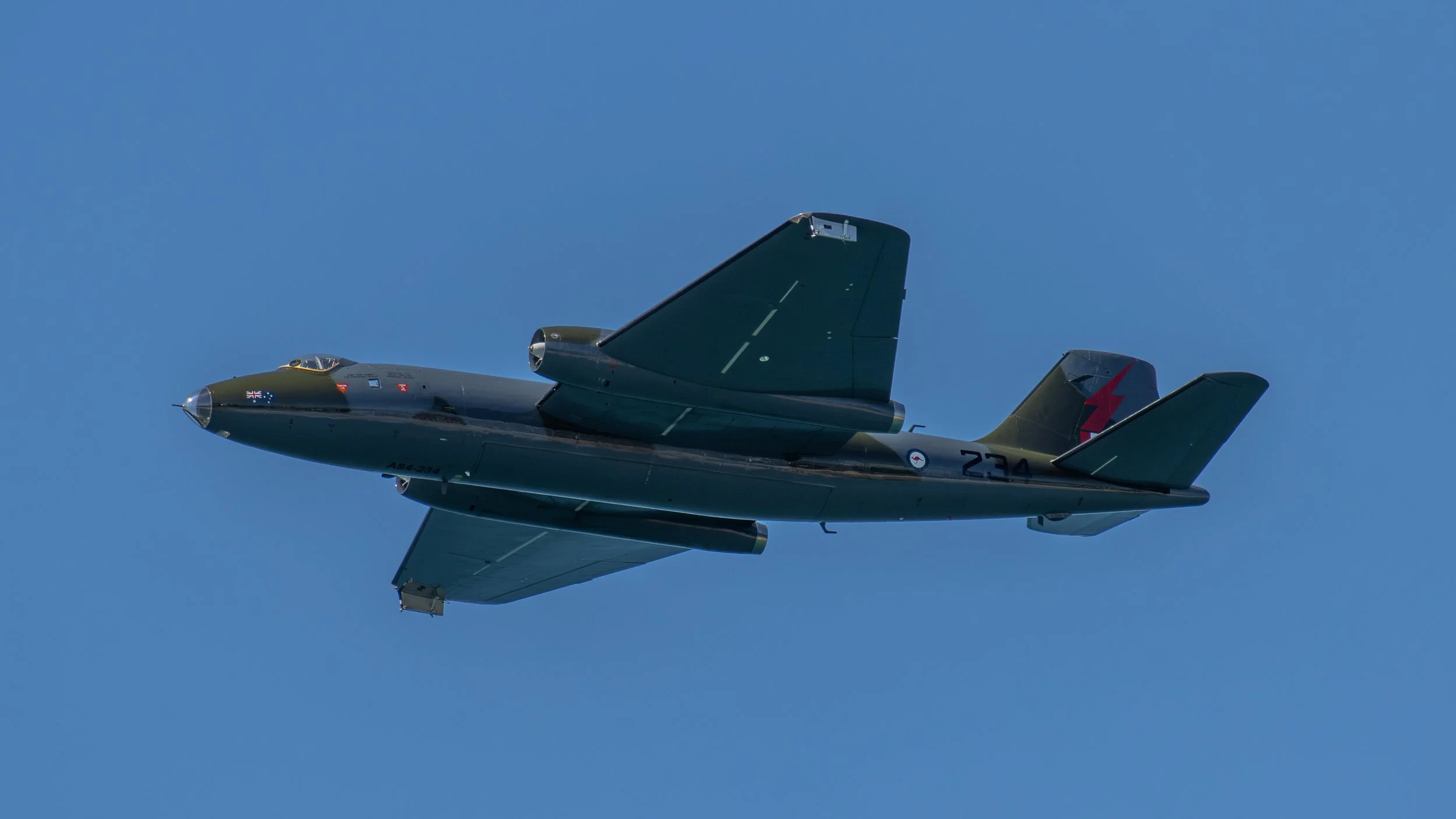
One of 100 Squadrons aircraft that will be withdrawn, the English Electric Canberra | Photo: Noah Stohr-Waldren
By streamlining the fleet, 100 Squadron will be maintained the ability to continue quality aviation displays, engage communities and protect the viability of the RAAF’s heritage flight capability.
As aircraft age, preservation becomes increasingly difficult, particularly for flying aircraft like those that attend airshows across Australia. By reviewing the fleet, 100 Squadron will be able to continue operating a select group of historic aircraft to display.
The withdrawn aircraft are: DH-115 Vampire T.35, Gloster Meteor F.8, Cessna A-37B Dragonfly, Ryan STM-S2, English Electric Canberra, CA-27 Sabre, CT4A, and RE8. These aircraft will be withdrawn with dignity. The RAAF will still continue to operate 11 heritage aircraft: the Mustang, Harvard, Winjeel, two Tiger Moths, Sopwith Pup, Hudson, Spitfire Mk8, Spitfire Mk16, Boomerang and Wirraway.
Five aircraft originally transferred from Temora Aviation Museum will return there, while the remaining three will be considered for static display at approved institutions. Over the next 12 months, heritage operations will be further reviewed to ensure sustainably and continued community engagement.
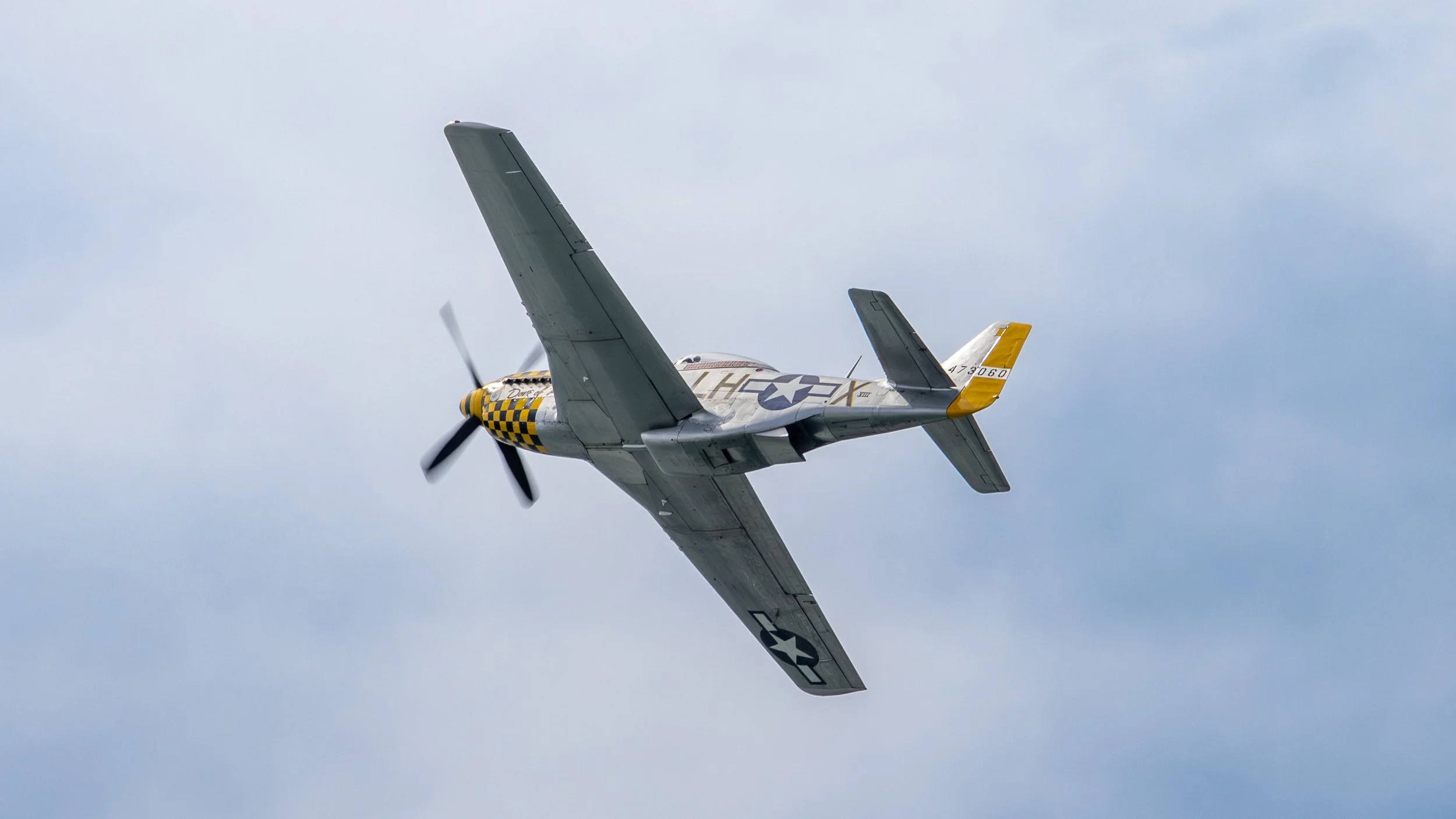
One of the 100 Squadron aircraft that will remain in operation | Photo: Noah Stohr-Waldren
Chief of Air Force, Air Marshal Stephen Chappell DSC, CSC, OAM, said the review was essential to balancing heritage preservation with operational safety. “Our heritage fleet holds deep significance to Air Force and the Australian public,” Air Marshal Chappell said.
“While withdrawing aircraft is never easy, this step ensures we preserve aviation history responsibly. By transferring these aircraft to museums and heritage organisations, their stories of service and innovation will remain accessible for future generations.”