
Qantas Takes Project Sunrise One Step Closer with Record-Breaking 24-Hour Test Flight
Qantas has reached another major milestone in its ambitious Project Sunrise programme after successfully completing a 24-hour, 24-minute non-stop test flight between Melbourne and Toulouse, France.
The flight, operated by a specially modified Airbus A350-1000ULR, covered more than 23,000 kilometres, making it the longest flight ever completed by an Airbus A350. While there were no paying passengers onboard, the mission was one of the final major tests before Qantas begins operating the world's longest commercial flights in 2027.
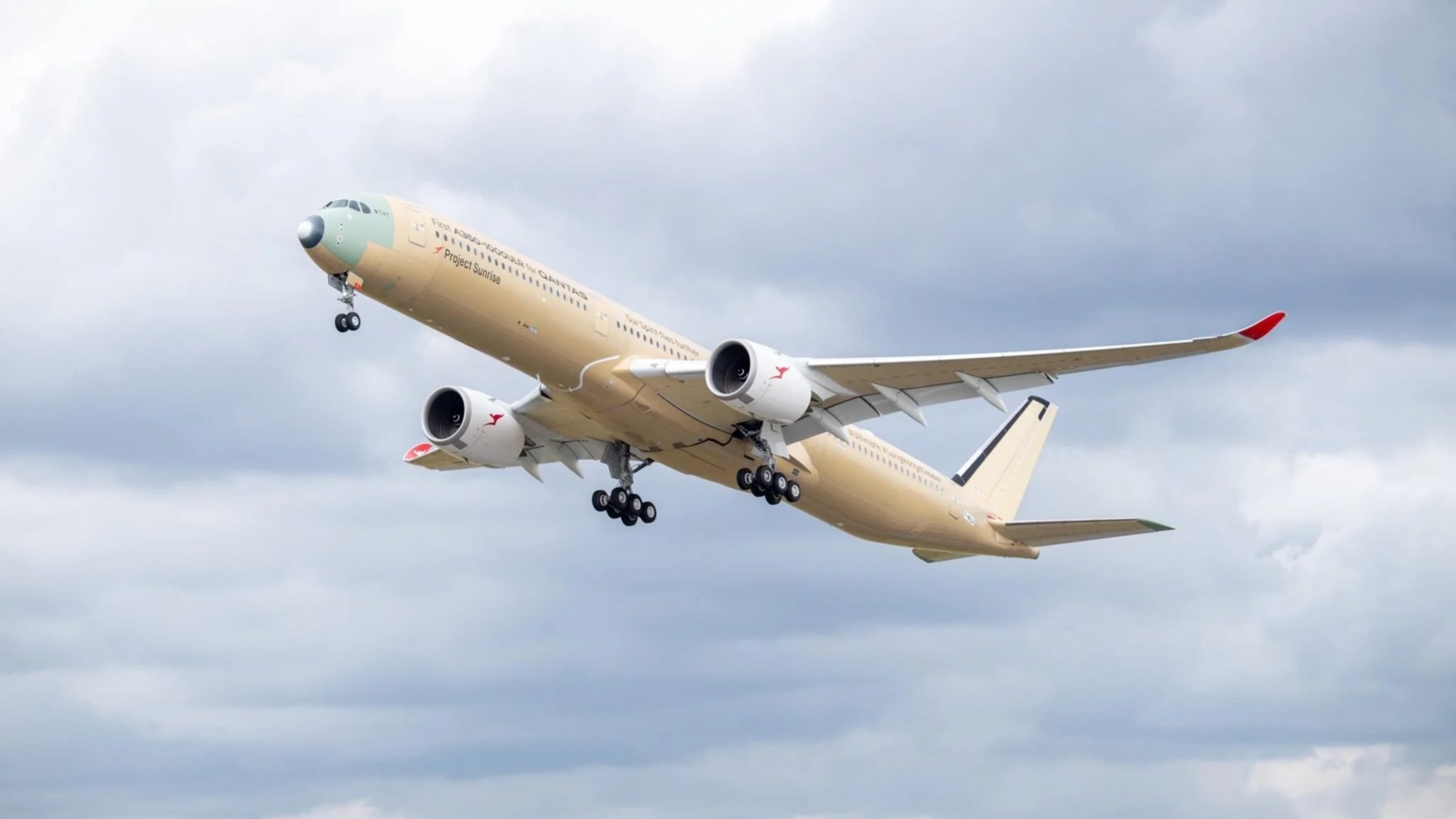
The first Qantas A350-1000ULR that is currently undergoing flight testing | Photo: unknown
The aircraft departed Melbourne and remained airborne for more than a full day before landing at Airbus' headquarters in Toulouse, gathering valuable operational data throughout the journey. Engineers monitored everything from fuel consumption and engine performance to how the aircraft handled after spending 24 hours continuously in the air.
Although the record-breaking duration grabbed headlines around the world, the flight wasn't simply about seeing how far an aircraft could fly. Instead, it formed a key part of Qantas' Project Sunrise programme, which aims to launch direct flights from Sydney to London and Sydney to New York without any fuel stops. Those routes, expected to begin in late 2027, will eliminate the need for passengers to change planes or stop in cities such as Singapore, Dubai or Los Angeles. For travellers, that means boarding in Australia and stepping off in Europe or the United States more than 20 hours later.
According to Qantas, the latest flight was designed to validate the aircraft's performance under real-world operating conditions while giving pilots, engineers and maintenance teams another opportunity to test systems that will be used during regular passenger services.
The aircraft used for the test isn't a standard Airbus A350. Qantas' new A350-1000ULR (Ultra Long Range) has been specially developed to handle some of the longest commercial flights ever attempted. Extra fuel capacity, improved efficiency and a lighter cabin layout allow the aircraft to remain airborne for well over 20 hours while still carrying a commercially viable number of passengers.
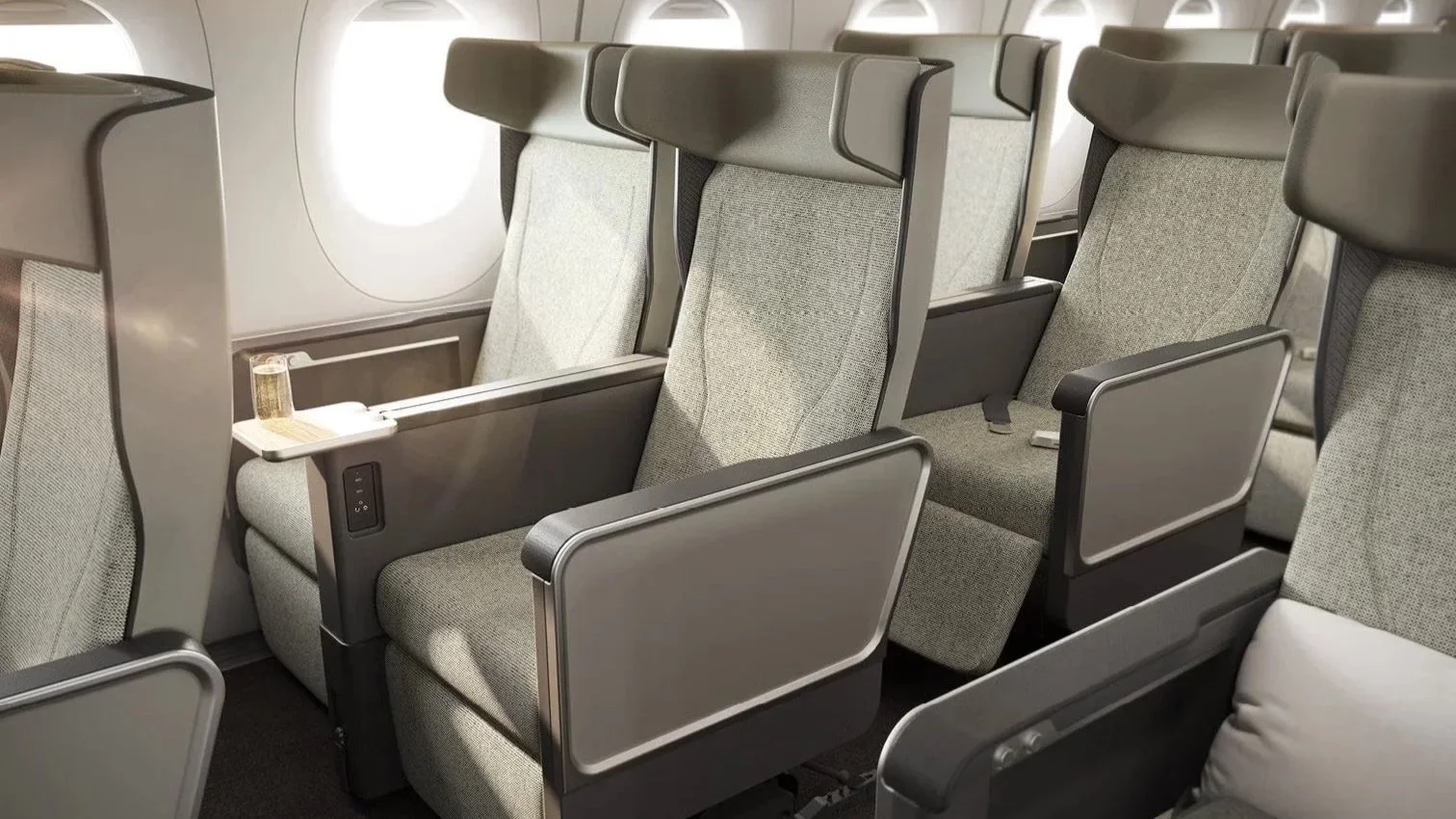
Qantas’ new premium economy that will be implemented on their fleet of A350-100s | Photo: Qantas
Qantas has ordered 12 of the aircraft, which will become the new flagship of its international fleet. Unlike a typical long-haul aircraft, the Project Sunrise A350 will carry just 238 passengers, allowing more space for fuel while also providing a much more premium onboard experience.
The cabin will feature:
Six First Suites
52 Business Suites
40 Premium Economy seats
140 Economy seats
A dedicated Wellbeing Zone, where Economy passengers can stretch, grab a drink and move around during the flight.
The airline believes these features, combined with improved cabin pressure, higher humidity levels and carefully designed lighting, will help reduce the effects of jet lag on flights lasting close to an entire day.
The flight wasn't only about testing the aircraft itself. Qantas and Airbus also used the opportunity to study crew operations during ultra-long-haul flying. Pilots worked in shifts, taking scheduled rest breaks while engineers monitored the aircraft around the clock. Managing fatigue is one of the biggest challenges of flights lasting more than 20 hours, and the airline says these test flights help refine procedures that will eventually become part of everyday operations once passengers are onboard.
As the aircraft made its way across the Pacific Ocean, North America, the Atlantic and into Europe, thousands of aviation enthusiasts followed its progress online. The flight quickly became one of the most tracked aircraft on FlightRadar24, with millions watching the A350 inch its way across the globe over the course of the day. For many aviation fans, the journey represented a glimpse into the future of long-haul travel.
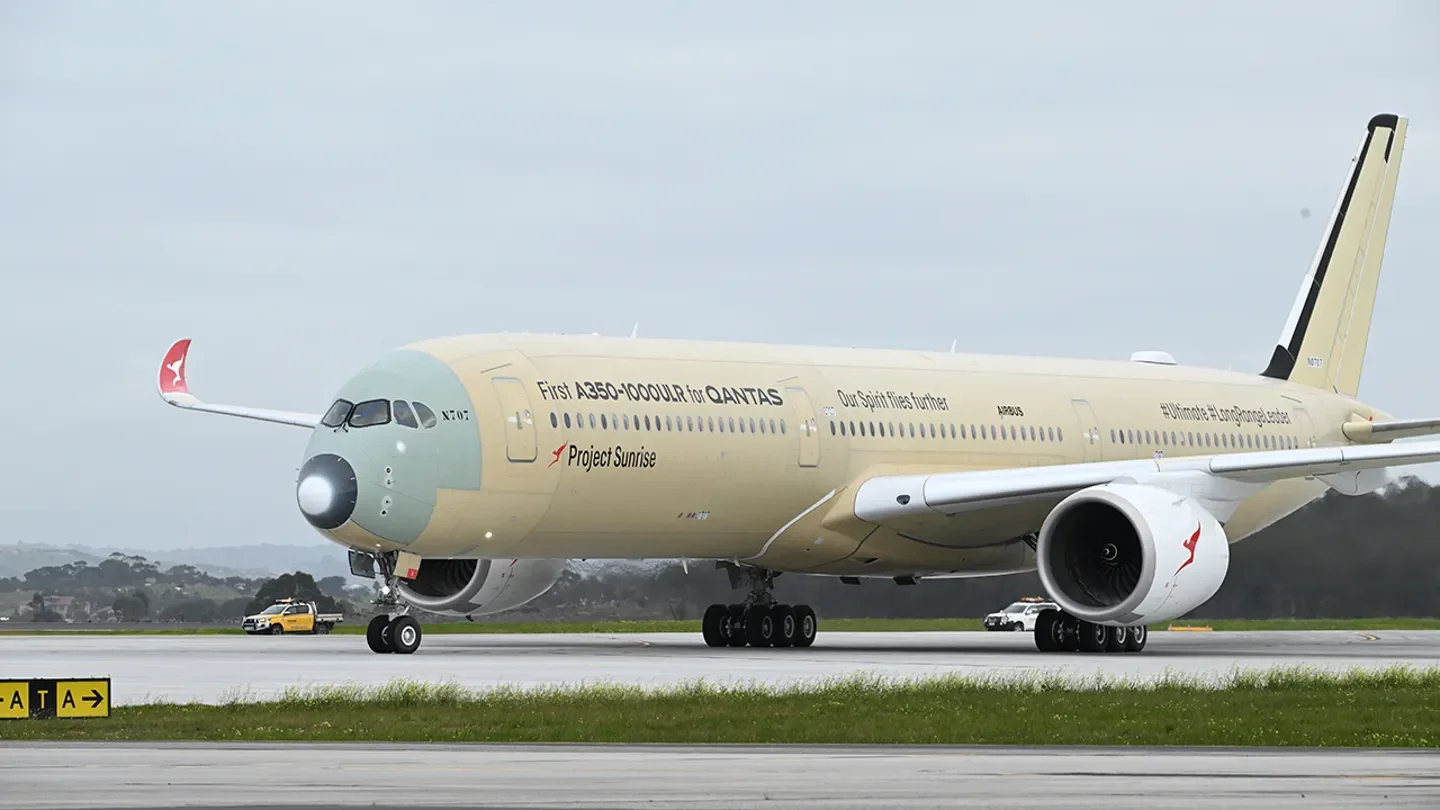
The demonstrator Airbus A350-1000ULR at Melbourne Airport after completing a 19-hour flight from Toulouse | Photo: James D. Morgan via Getty Images
Project Sunrise has been in development for almost a decade and represents one of the boldest projects ever undertaken by an airline. For years, flights between Australia and Europe have required at least one stop, but advances in aircraft technology are finally making true non-stop travel possible. While spending more than 20 hours on an aircraft may not appeal to everyone, many travellers prefer staying on one flight rather than dealing with lengthy airport layovers, missed connections and multiple boarding processes. Qantas believes that direct services will be especially attractive to business travellers and passengers who value convenience over breaking the journey into smaller segments.
Although the record-breaking flight marked the first time a Project Sunrise A350-1000ULR had visited Australia, it wasn't the first appearance of an Airbus A350 test aircraft on Australian soil. Airbus has brought several A350 development aircraft to Australia over the past decade. In 2014, one of the original A350 XWB flight-test aircraft visited Sydney during the type's world demonstration tour, allowing airlines, regulators and the public to experience Airbus' newest widebody before it entered commercial service.
A few years later in 2018, the A350-1000 test programme also made its way to Australia, with one of the development aircraft visiting Sydney once again as Airbus showcased the larger variant to airlines across the Asia-Pacific region. Those visits highlighted the aircraft's capabilities long before Qantas selected the type to become the backbone of its future ultra-long-haul fleet.
With another successful test now complete, Project Sunrise is moving closer to becoming reality. The airline expects to receive its first Airbus A350-1000ULR in 2027 before launching non-stop flights from Sydney to London later that year, followed by services to New York. If everything goes to plan, the record-breaking flight completed this week won't just be remembered for its 24-hour duration—it will be remembered as one of the final steps towards changing long-haul travel forever.
