
Queenstown Airport Announces Major $60 Million Airfield Upgrade with New Heavy Taxiway
Queenstown Airport is set to undergo one of the most significant infrastructure upgrades in its history after unveiling plans for a $60 million investment that will transform aircraft movements on the airfield while strengthening the airport's long-term operational resilience.
The project centres on the construction of a new Code C heavy taxiway running parallel to the airport's main runway, alongside extensive runway remediation and resurfacing works. Together, the developments are expected to improve aircraft efficiency, reduce delays, enhance safety and lower carbon emissions without increasing the airport's capacity or changing its operating limits.
The announcement marks another milestone in Queenstown Airport's long-term infrastructure strategy as passenger numbers continue to recover and tourism across the Southern Lakes region experiences sustained growth.
Unlike many commercial airports of a similar size, Queenstown Airport currently does not have a full-length heavy taxiway capable of accommodating narrow-body jet aircraft. As a result, aircraft arriving at Queenstown are often required to remain on the runway after landing before turning around and taxiing back along it to reach the terminal apron. Departing aircraft must perform the same manoeuvre in reverse before lining up for take-off.
This process, known as backtracking, occupies the runway for longer periods and can create operational bottlenecks during busy travel periods.
The new heavy taxiway will provide aircraft with a dedicated route between the apron and the runway, allowing them to vacate the runway much sooner after landing and reach their parking stands more efficiently. Likewise, departing aircraft will be able to taxi directly to the runway threshold without occupying the runway until they are ready for departure.
Airport officials say the project will significantly reduce runway occupancy times, improve the flow of aircraft movements and enhance on-time performance, particularly during periods of disruption or adverse weather.

Key officials of the Queenstown Region and Airport breaking ground on site | Photo: Queenstown Airport
Queenstown Airport Chief Executive Shane O'Hare said the investment is focused on improving the airport's existing infrastructure rather than enabling additional aircraft movements.
"The heavy taxiway is about making the airport work smarter," O'Hare said.
"It allows aircraft to move more efficiently between the apron and runway while strengthening safety and improving operational resilience."
Airport representatives were also keen to clarify that the project does not involve extending the runway, introducing larger aircraft or increasing the airport's flight capacity.
Instead, the focus is on making existing operations more efficient while maintaining the airport's current operating framework.
That distinction comes as aviation infrastructure projects often raise questions from local communities regarding aircraft noise, environmental impacts and future expansion.
Although the project is primarily an operational improvement, Queenstown Airport says it also supports its sustainability objectives.
Reducing the amount of time aircraft spend waiting on the runway or taxiing unnecessarily is expected to lower fuel burn and reduce greenhouse gas emissions. Aircraft arriving during busy periods may also spend less time in airborne holding patterns before landing, further decreasing fuel consumption.
These operational efficiencies are becoming increasingly important as airlines work towards reducing emissions while maintaining reliable schedules.
According to the airport, even small reductions in taxi times across hundreds of flights each week can deliver meaningful environmental benefits over the life of the infrastructure.
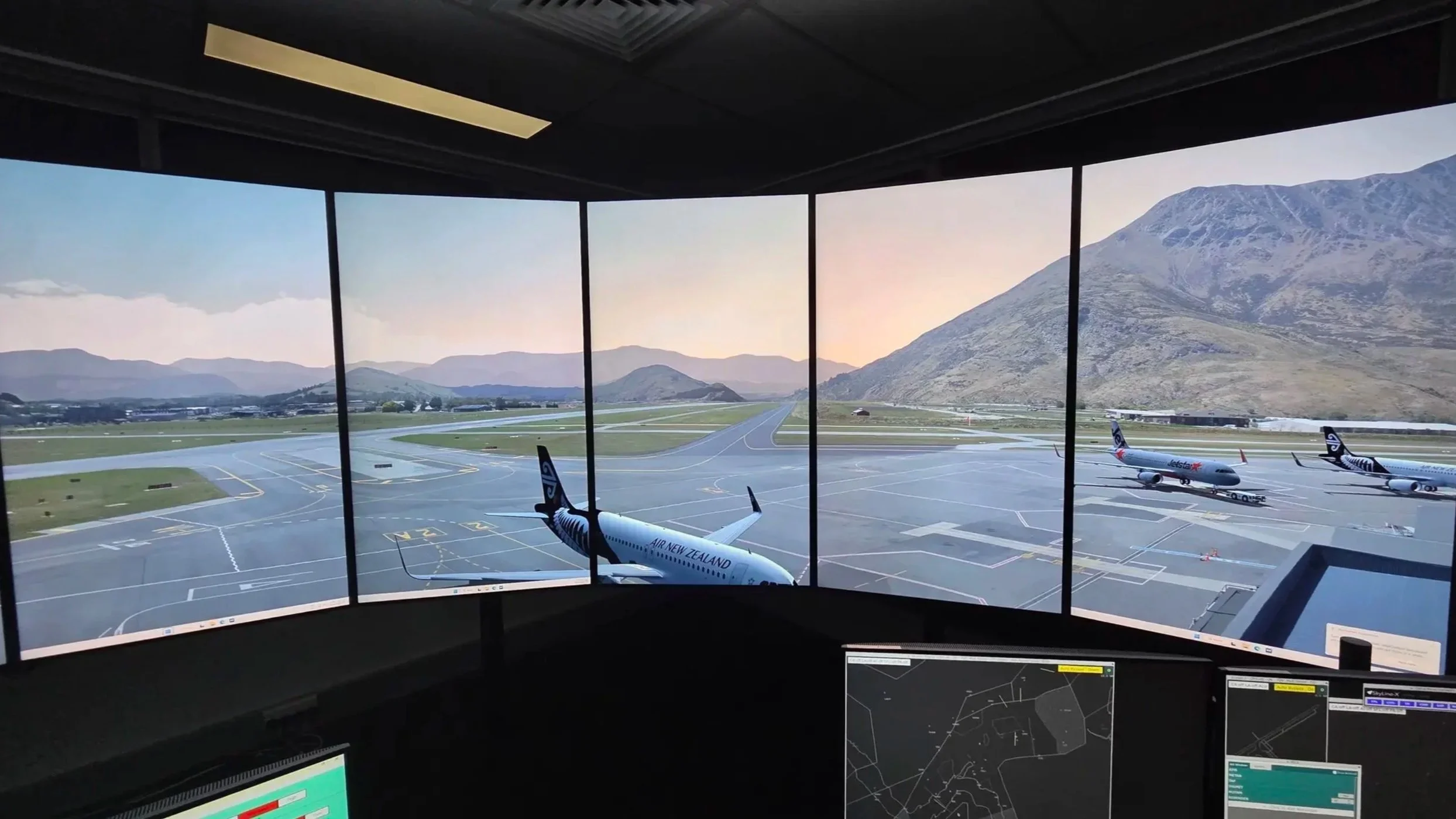
Artists impression of the new heavy taxiway parallel to the main runway | Photo: Airways New Zealand
Alongside construction of the heavy taxiway, Queenstown Airport's main runway will undergo a comprehensive remediation and resurfacing programme.
The runway was last resurfaced in 2016, and the latest works form part of the airport's planned asset management programme designed to ensure continued compliance with Civil Aviation Authority safety standards.
Runway resurfacing is a critical part of airport maintenance. Over time, repeated aircraft movements, weather exposure and seasonal temperature changes gradually wear down the asphalt surface. Replacing and strengthening sections of the runway helps maintain braking performance, surface friction and overall structural integrity.
Airport officials say completing the resurfacing alongside construction of the heavy taxiway represents the most efficient approach, reducing the need for future disruption.
One of the most challenging aspects of the project will be completing the work while keeping Queenstown Airport fully operational.
To achieve this, the airport has entered into a pre-construction services agreement with Fulton Hogan, one of New Zealand's largest civil infrastructure companies. Fulton Hogan will work alongside global engineering consultancy AECOM to finalise the design, construction methodology and overall project cost before major works commence.
Construction will be staged carefully, with much of the work taking place outside peak operating periods. Airport management says this approach will minimise disruption to airlines, passengers and airport businesses while maintaining normal flight schedules wherever possible.
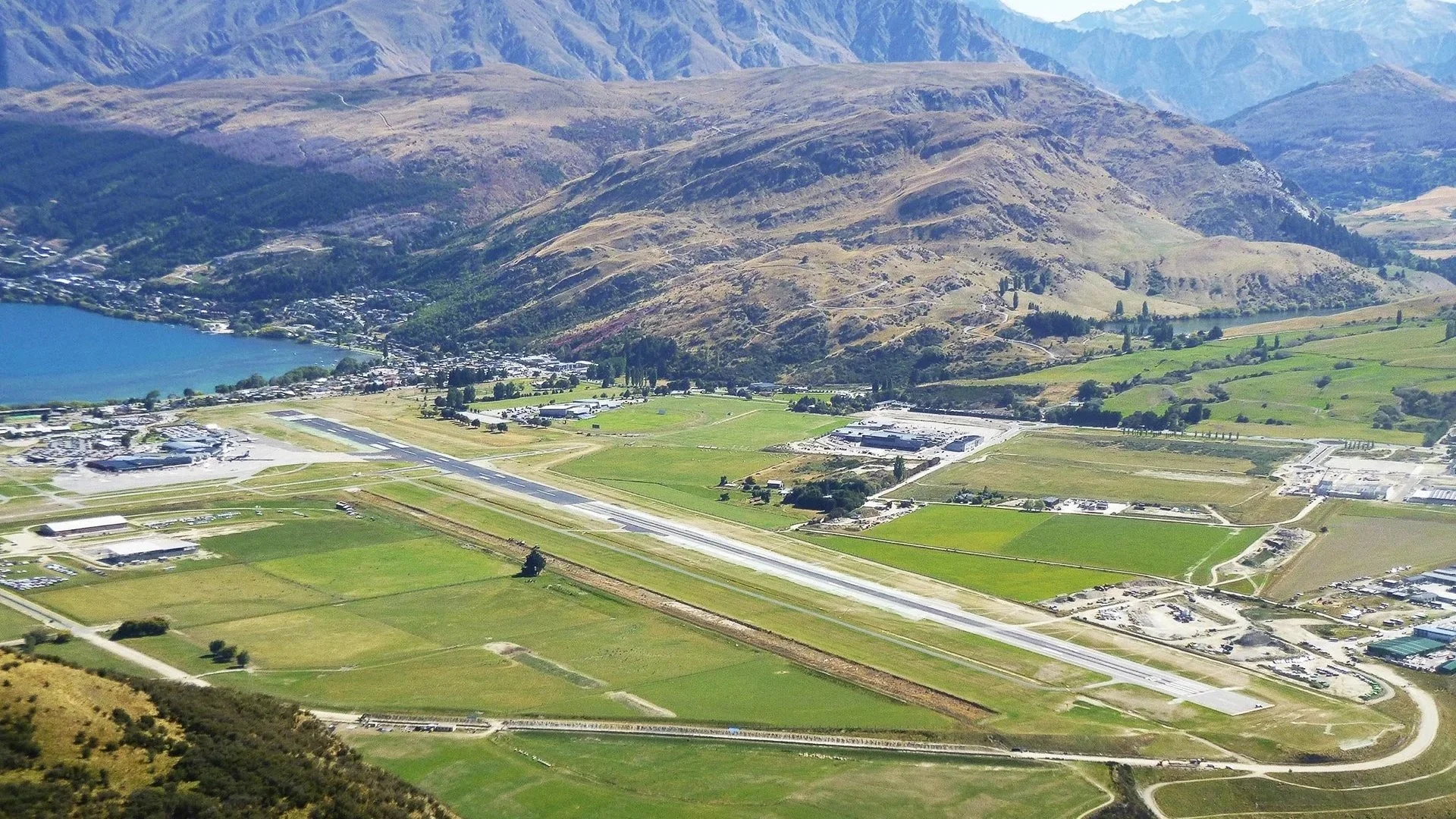
Overview of Queenstown Airport | Photo: Queenstown Airport
Queenstown Airport serves as the primary gateway to New Zealand's Southern Lakes region, connecting travellers with Queenstown, Wānaka, Central Otago and Fiordland.
Passenger demand has continued to grow over recent years as both domestic and international tourism recover, placing increasing pressure on the airport's existing infrastructure.
While the heavy taxiway will not allow more flights to operate, it will improve the airport's ability to manage existing traffic more efficiently and recover more quickly from delays caused by weather or operational disruptions.
The investment also supports the airport's long-term planning by ensuring critical airfield infrastructure remains fit for purpose well into the future.
Once completed, the heavy taxiway and runway upgrade are expected to deliver benefits for airlines, passengers and airport operations for decades.
Aircraft will spend less time occupying the runway, taxi operations will becomeh more efficient, delays are expected to decrease and the airport's overall resilience will improve during periods of disruption.
For travellers, these improvements may not be immediately visible, but they should contribute to smoother operations, more reliable schedules and a more efficient airport experience.
As one of New Zealand's busiest tourism gateways, Queenstown Airport's latest investment demonstrates a commitment to modernising essential infrastructure while balancing operational performance, environmental responsibility and the needs of the surrounding community.
